Specialized use cases
Outdoor and hiking specific features
What separates a trail pack from a bag that happens to be worn outdoors.
The hook
A bag that looks like a trail pack and a bag that performs as one are not the same object. The aesthetic, daisy chains, ventilated mesh, technical-looking webbing, is decoupled from the engineering, and most bags marketed for the outdoors borrow the look and skip the structure underneath.
What is it
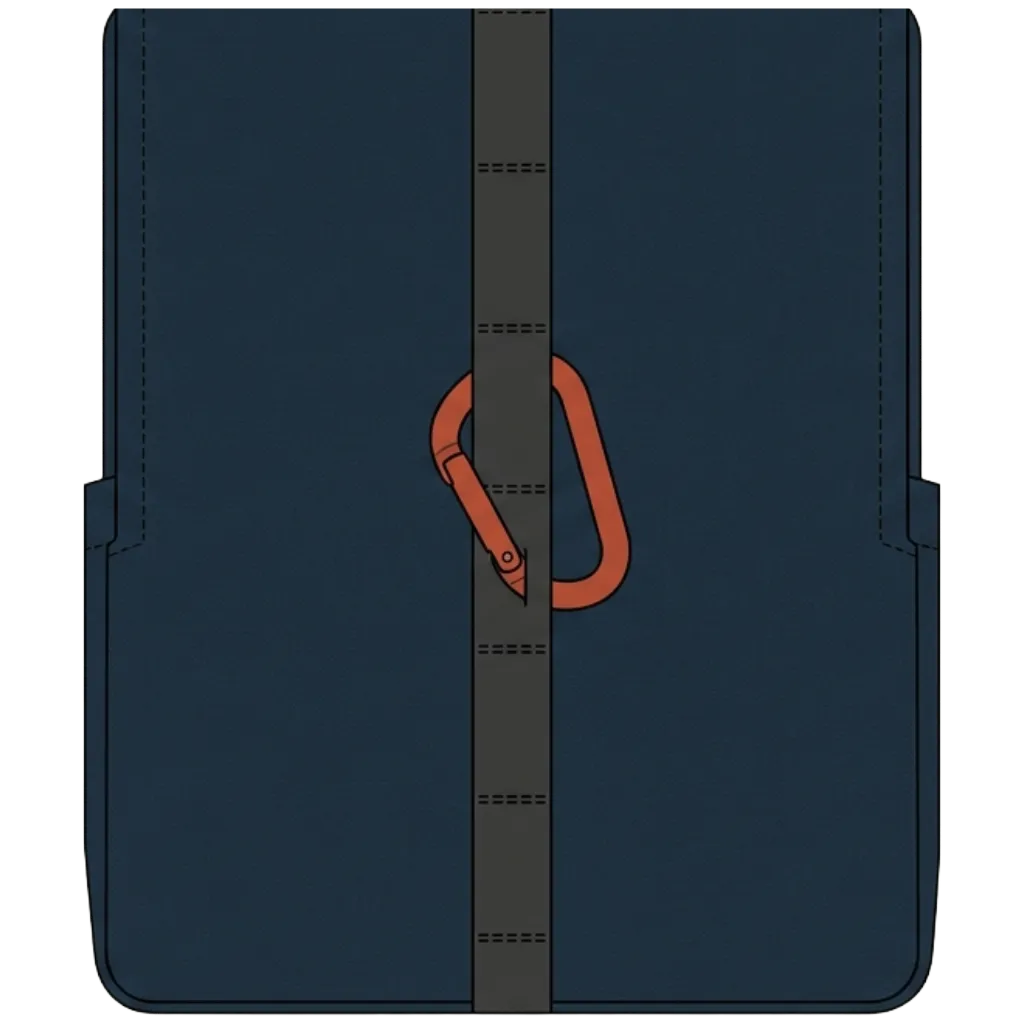
True outdoor packs have: hydration system compatibility (bladder sleeve + port), trekking pole attachment loops with securing buckles, ice axe loops with keeper straps, ventilated back panels (suspended mesh or channel systems), weatherproof or weather-resistant fabrics and zippers, load-bearing hip belts connected to an internal frame, and terrain-specific fit systems (adjustable torso length, sternum strap, load lifters). Daypacks differ from technical multi-day packs in load capacity and suspension complexity.
Why it matters
Outdoor conditions test bags harder than any other use case: sustained load, weather exposure, abrasion from rocks and vegetation, and the need for specific gear attachment (poles, helmets, axes). An urban commuter bag on a trail will fail you before the trail ends. Purpose-specific design isn't marketing. It's engineering for known load conditions.
How to spot it
Look for an internal frame (check by feeling the back panel for rigid stays). Check hydration bladder compatibility by checking the sleeve and port. Test the back panel ventilation. Inspect fabric weight at the bottom and at abrasion points (daisy chains, hiking pole loops).
When you don't need it
For urban, travel, or casual use, hiking-specific features add weight and structure without functional benefit.
Key takeaways
- A true trail pack has an internal frame, load-bearing hip belt, hydration compatibility, and purpose-specific attachment systems. All four are required.
- Back panel ventilation matters most on multi-hour trail use. A sweaty back leads to discomfort and chafing.
- Fabric weight at bottom and stress points should be noticeably heavier than on the sides.
- Daypacks and multi-day packs are different categories. Don't expect a daypack to perform as a multi-day technical pack.
Quick poll
What's the longest continuous outdoor carry you've done?